Matt Lorrain
Matt Lorrain



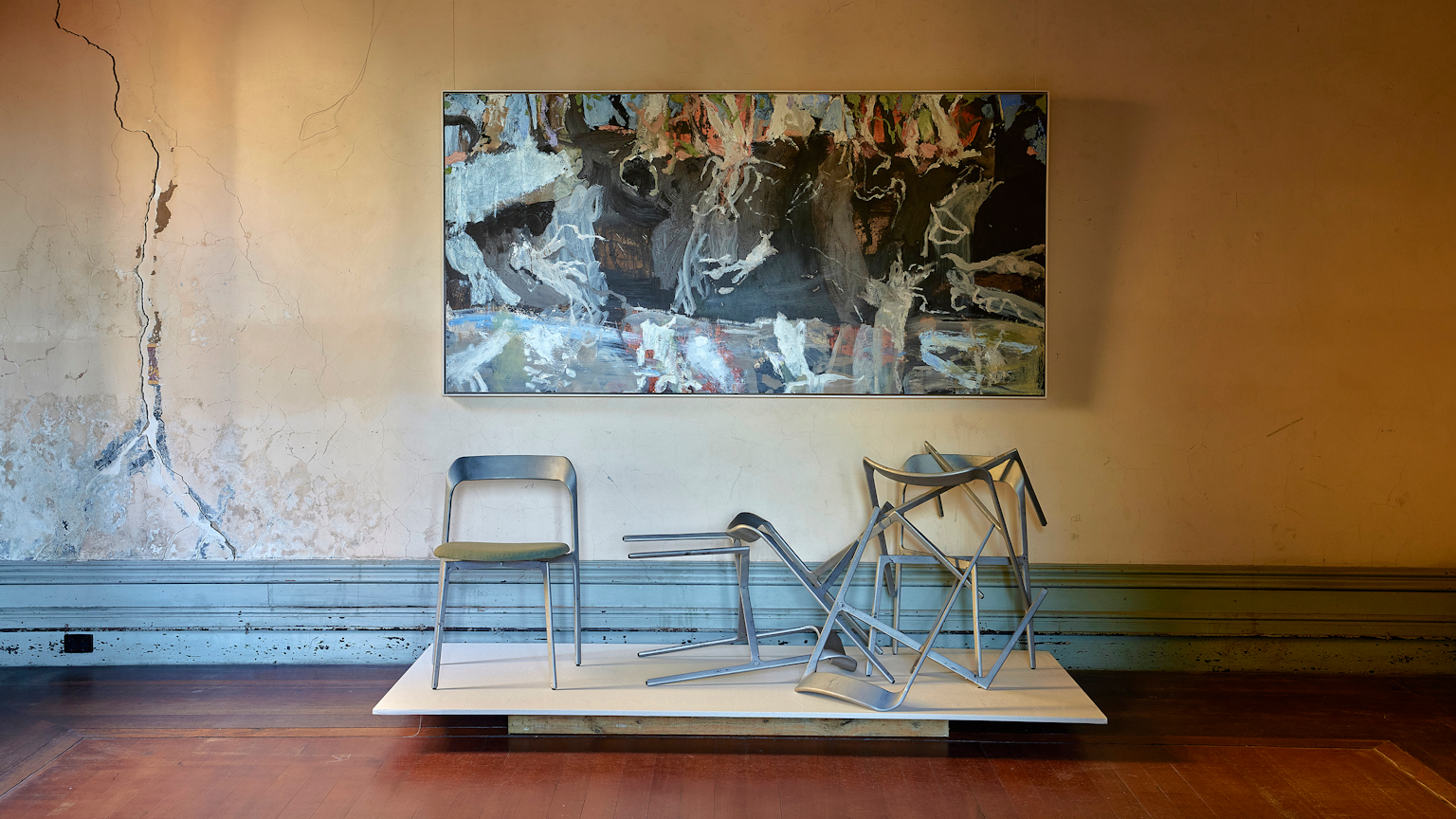
Part of Melbourne Design Week 2026, ‘Waste to Wonder’ brings circular design to life by commissioning three designers to transform surplus building materials into desirable objects and furniture. The exhibition reflects our ‘Crafted with Wonder’ message, demonstrating that circular design can be beautiful, functional and scalable.
Matt Lorrain set out with a simple intention: to express the material in its most direct form. Working within the constraints of standard tile formats, the design avoids cuts or modification, allowing the material itself to define the outcome. This approach reflects a broader commitment to circular thinking, adapting design to suit the inherent qualities of a material rather than forcing it to conform.

What inspired you?
My idea was very simple, express the material in the most direct way, I wanted to keep the forms almost brutalist. There is so much detail inherent in glazed lava with its varying glaze transparency, bubbles and deep charcoal base, I didn't want to overcook it. I also wanted to work within the constraints of the set format and make the finished form respect the standard tile size and not the other way around. This meant designing for no cuts or any modifications.

What surprised you about the material?
The edges! The surface is obviously beautiful, but after exploring different ideas for the overall form, it occurred to me that exposing the edges was really important. One, because it shows the raw material which is the volcanic basalt in direct contrast to the glazed surfaces, and two because it made the idea of designing without cuts even more rigorous.

How was it made?
Much of the "making" is done before I get to it. Volcanic eruptions, aeons of time, quarrying the stone, ancient glazing techniques. This is most of the work. In terms of construction, we wanted to have a simplified approach and hence no grouting. This did have some implications for set-out and to get the tolerances perfect but with help from my very talented fabricator it all came together.

What's your approach to circular design?
There is a responsibility on the design community to be open to working within sustainable constraints of materials and products, instead of wanting a material or product to do more than it easily can. This often leads to more waste, more complication, more cost. We can instead adapt our ideas to suit the inherent qualities of materials and push harder on our design concepts to take shared responsibility for reuse and circularity.
“There is a responsibility within the design community to adapt our ideas to the inherent qualities of materials, and to push for reuse and circularity.” - Matt Lorrain

Nature’s most durable material
Lava stone carries a permanent, richly textured imprint of a volcanic eruption – trapped air bubbles, glittering metallic fragments and dark, mineral-speckled surfaces – which we elevate with a centuries-old hand-glazing technique that captures and celebrates these raw variations. Tiles are made from offcuts then glazed and tumbled to create inimitable surface colours and soft edges.


